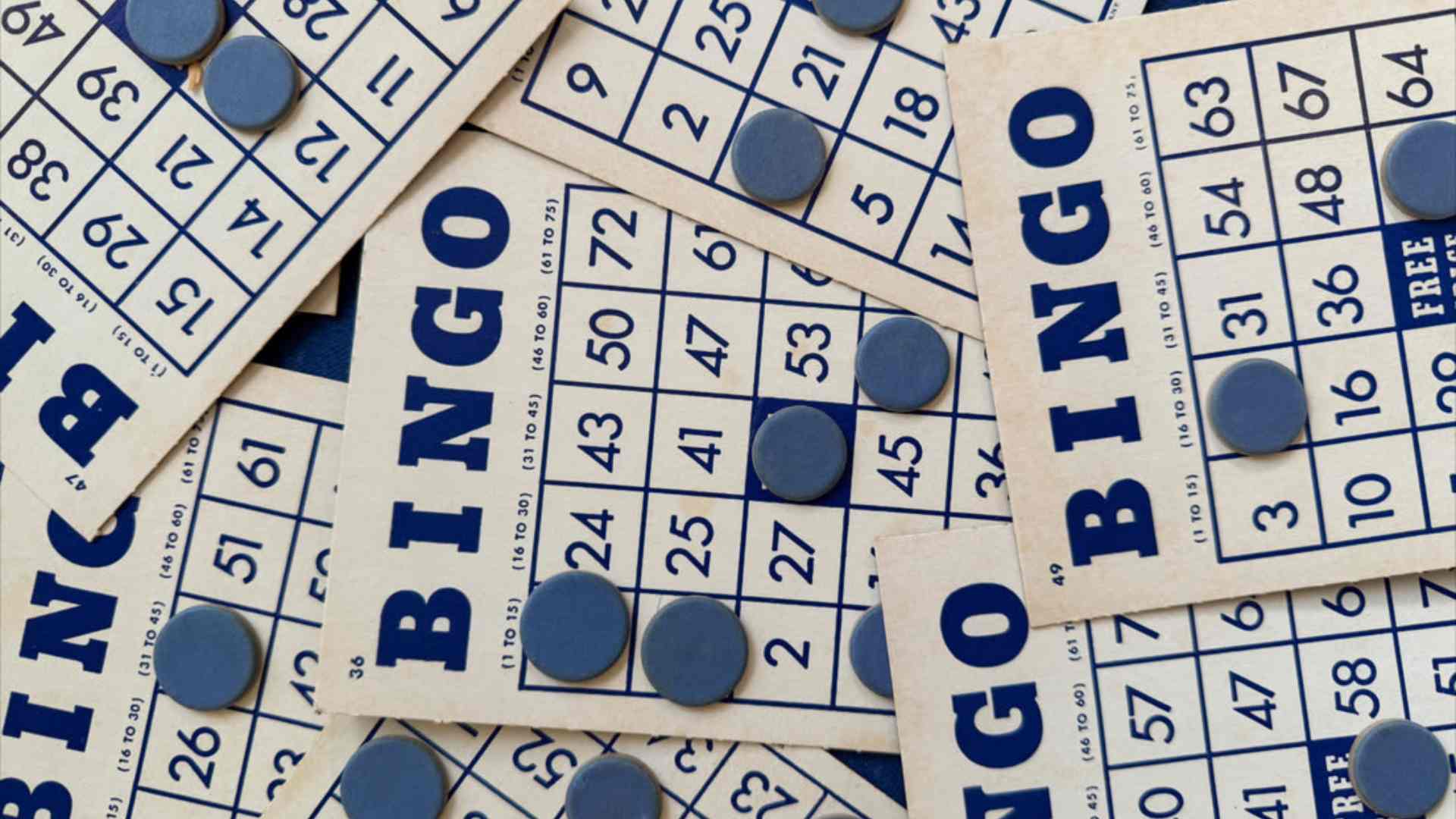
Engaging in card games offers far more than simple entertainment, as regular play actively stimulates neurological pathways responsible for cognitive performance. Whether tracking cards in a traditional deck or anticipating an opponent's next move, players constantly exercise their short-term memory and working recall. Incorporating strategic card sessions into a routine provides a structured yet enjoyable method to keep the mind sharp across all stages of life.
The Science Behind Mental Stimulation
Cognitive experts frequently highlight the importance of active mental exercise in maintaining long-term brain health and adaptability. Playing card games requires the brain to process visual information quickly while storing dynamic tactical variables. Over time, this consistent mental challenge helps reinforce neural connections, facilitating faster information recall and improved problem-solving skills in everyday situations.
Furthermore, maintaining focus during complex rounds trains the brain to filter out ambient distractions and sustain attention. Platforms like m88 malaysia show how digital access to diverse games allows players to regularly practice these focus-building exercises from anywhere. Developing disciplined concentration through gaming can subsequently translate to better focus during daily work or study tasks.
Strengthening Memory Through Strategy
Memory enhancement occurs naturally during card games because players must remember discarded cards, opponent habits, and active rules. games such as Bridge, Poker, or Memory Matching require players to hold multiple pieces of information in their mind simultaneously. This active utilization of working memory prevents cognitive stagnation and encourages fluid intelligence.
As players refine their strategies, they learn to recognize patterns and make calculated predictions based on past outcomes. This ongoing cycle of observation, retention, and application keeps the mind agile. Consequently, regular players often experience improvements in both immediate recall and long-term memory organization.
Enhancing Concentration and Focus
In a digital age filled with constant notifications, maintaining undivided attention has become a challenging task for many individuals. Card games create an immersive environment where a single lapse in concentration can alter the outcome of a match. This high level of engagement naturally conditions the mind to remain committed to a single objective for extended periods.
By practicing patience and deliberate decision-making, players build greater cognitive stamina over time. The structured nature of card play provides a healthy boundary where focus is continuously rewarded. Over several weeks of regular play, individuals often notice an increased ability to concentrate on demanding projects without feeling mentally exhausted.
Building Lifelong Cognitive Habits
Adopting card games as a lifelong hobby serves as a protective layer for overall brain health as humans age. Engaging with different game rules and adapting to varied opponent styles ensures that the brain never settles into an automated routine. This continuous learning process is essential for building cognitive reserve and maintaining mental agility.
Ultimately, combining social interaction with strategic card play delivers a well-rounded mental workout. Whether playing casually with family or competing in digital environments, the cognitive benefits remain substantial. Taking time for a few structured hands each week is an accessible step toward sharper memory and enhanced concentration.